Marylebone High St Moves: Narrow-Street Packing Tips
Posted on 27/04/2026
Moving around Marylebone High Street is not the same as moving in a wide suburban road with easy kerbside loading. The streets are tighter, parking is more fragile, access can be awkward, and every box you pack has a small but real impact on speed, safety, and stress levels. That is why Marylebone High St Moves: Narrow-Street Packing Tips matter so much: the right packing approach can save time, protect fragile items, and help your move run smoothly when space is limited and timing is unforgiving.
If you are planning a flat move, a house move, or a business relocation in the area, this guide walks through what actually works on narrow streets, how to pack with access in mind, and which mistakes tend to create the biggest headaches. It also links out to useful local pages like our services overview, packing and boxes support, and flat removals in Marylebone if you want practical help beyond the planning stage.
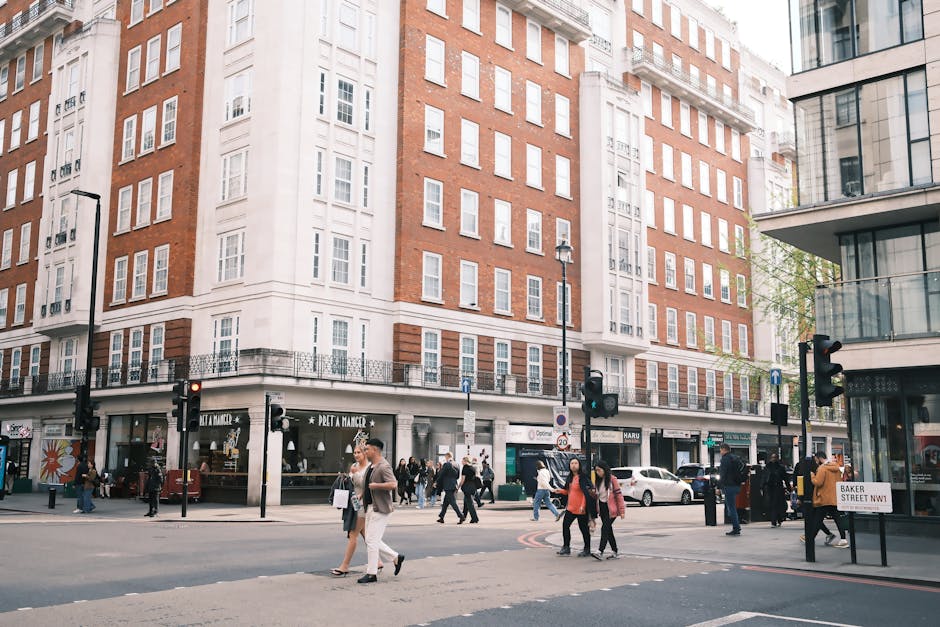
Why Marylebone High St Moves: Narrow-Street Packing Tips Matters
Marylebone High Street sits in a part of London where charm and logistics often collide. The area is busy, elegant, and highly desirable, but it also comes with practical constraints: slim access routes, controlled parking, mixed-use buildings, and a steady flow of pedestrians, deliveries, taxis, and cyclists. If you pack as though you are moving from a wide-open driveway, you will probably feel the friction quickly.
Narrow-street moves demand a different mindset. Boxes need to be easier to carry. Furniture may need dismantling. Items should be grouped by urgency, fragility, and lifting difficulty. If your packing plan ignores the street layout, the move may end up slower, more expensive, or more stressful than necessary.
This is especially relevant for people moving into or out of flats above shops, converted townhouses, managed developments, and period buildings where staircases can be narrow and loading points limited. In those situations, the difference between a thoughtful pack and a chaotic one can be enormous. For a wider understanding of service options, it can help to read about removals in Marylebone and general removal services before choosing the right setup.
Truth be told, the street itself becomes part of the move. Your packing choices need to respect that.
How Marylebone High St Moves: Narrow-Street Packing Tips Works
The idea is simple: pack in a way that reduces handling time, protects items from extra movement, and makes loading possible even when the vehicle cannot stay parked for long. On narrow streets, the move usually works best when packing and transport planning are treated as one process rather than two separate tasks.
Here is how that usually plays out in practice:
- Access is planned first. Before the first box is sealed, think about where the van can stop, how far items will need to be carried, and whether stairs or lifts will slow the team down.
- Boxes are sized for speed, not just capacity. Medium boxes often move better than oversized ones because they are easier to carry through tight hallways and down stairwells.
- Load order matters. The items packed last should often be the ones needed first, such as essential kitchen items, chargers, toiletries, and documents.
- Fragile items are isolated. In a cramped move, boxes get turned, stacked, and shifted more often, so good internal padding matters more than usual.
- Furniture is made more manageable. Where possible, shelves, legs, bed frames, and table tops are separated so they can be moved through narrow gaps without damage.
If you are using a smaller vehicle or a flexible loading approach, services such as man with a van in Marylebone or man and van support can be especially useful for short-notice access constraints and compact loads. The packing process should fit the transport method, not the other way around.
A practical example: a two-bedroom flat near the High Street may not need an enormous removal lorry, but it still needs disciplined packing because the bottleneck is the building access, not the contents alone. That distinction changes everything.
Key Benefits and Practical Advantages
Good narrow-street packing is not just about avoiding damage. It improves the entire moving day experience.
- Faster loading and unloading: Smaller, clearer, better-labelled boxes reduce hesitation and repeated handling.
- Lower risk of damage: Well-padded items are less likely to shift when carried through stairwells or briefly set down outside.
- Better use of tight space: Thoughtful packing helps the vehicle carry more safely and efficiently.
- Less physical strain: Boxes that are not overfilled are much easier to carry up and down narrow steps.
- Clearer unpacking: A move into a compact Marylebone property can feel calmer when boxes are already grouped by room and priority.
There is also a commercial benefit. If movers spend less time dealing with awkwardly packed items, the overall move is often smoother and more predictable. That can matter if you have a tight handover slot, a parking window, or building access rules to work around. If you are comparing options, pages like pricing and quotes and removal companies in Marylebone are useful starting points.
Expert summary: in narrow-street moves, the right packing system reduces friction everywhere else. It is a small effort with an outsized payoff.
Who This Is For and When It Makes Sense
This approach is useful for a wide range of moves, but it is especially valuable in a few specific situations.
- Flat movers: If your home is above street level, around a courtyard, or served by a small lift, packing efficiency matters a lot. See also flat removals Marylebone.
- House movers on tight streets: Period homes and mews-style access can create pinch points, especially for furniture.
- Students and renters: Smaller loads still need good organisation, particularly when the move is fast or on a budget. The page on student removals in Marylebone is worth a look.
- Office relocations: Files, IT equipment, and desk components can be surprisingly awkward if they are not packed with a route in mind. See office removals Marylebone.
- People with time pressure: If you are moving on the same day you receive keys or hand over a property, the margin for error shrinks. In that case, same-day removals in Marylebone may be relevant.
This also makes sense if you own unusually heavy or delicate items. A piano, for example, is not something you want to improvise around on a tight street, which is why specialist help like piano removals Marylebone can become the sensible choice rather than a luxury one.
If you are unsure what level of support fits your move, a good removal company can usually help you match packing style, vehicle type, and access conditions without overcomplicating the process. You do not need to turn it into a military operation. Though, on a narrow street at 8 a.m., it may feel close.
Step-by-Step Guidance
Use this as a practical packing sequence for a Marylebone High Street move.
1. Start with access, not boxes
Before packing anything, map the move route. Where will the van stop? How far is the front door from the loading point? Are there stairs, a lift, a concierge desk, or a narrow entrance lobby? If you understand the bottlenecks first, you can pack for them.
2. Sort by priority and fragility
Divide your items into four groups: everyday essentials, fragile items, heavy items, and low-priority storage items. This keeps the move-day load order logical and helps you avoid placing delicate items under pressure.
3. Use medium boxes for most household goods
On a narrow street, oversized boxes become awkward quickly. Medium boxes are easier to stack, carry, and fit through doorways. Save large boxes for lightweight items such as bedding or cushions.
4. Pack with carry distance in mind
If you know the van cannot park directly outside, every box should be comfortable enough to carry for longer than you expect. That means no overstuffed cartons, no loose lids, and no boxes so heavy that one person has to wrestle them down the pavement.
5. Protect fragile items twice
Use internal padding and outer protection. Wrap breakables individually, fill empty spaces, and keep fragile boxes clearly marked. A box that looks neat but has movement inside is not actually well packed. It is just pretending.
6. Label by room and urgency
Write the destination room on at least two sides of each box. Add a simple priority marker if needed, such as "open first" or "last to unload." This is especially useful in smaller buildings where boxes may be staged in a hallway or landing.
7. Dismantle awkward furniture early
Bed frames, dining tables, shelving, and bulky wardrobe sections often move better when broken into manageable parts. Keep screws and fittings in labelled bags taped to the relevant item.
8. Create a small essentials load
Set aside one bag or box with documents, medication, chargers, toiletries, keys, snacks, and basic tools. This saves a lot of hunting later, especially if you arrive tired and the street is still busy.
9. Keep a clear path for movers
As moving day approaches, clear the route from each room to the exit. In a cramped building, even a shoe rack or recycling bag can slow things down more than you think.
10. Confirm transport and timing
If you are using a van-based service, check arrival times, parking expectations, and any building rules in advance. A move in Marylebone often works best when the packing schedule and the vehicle schedule are locked together.
For more support with packing supplies, the page on packing and boxes in Marylebone can be a practical companion to this guide.
Expert Tips for Better Results
These are the small adjustments that make a surprisingly large difference on tight streets.
- Keep box weights consistent. Movers handle repeated loads better when every box feels similar. It is safer and faster than alternating between feather-light and back-breaking cartons.
- Use colour coding if you have multiple rooms. A simple sticker system can save confusion when boxes are dropped in a hallway or stacked in a small reception area.
- Pad corners, not just surfaces. The corners of framed pictures, mirrors, and tabletops often take the most impact during narrow moves.
- Pack vertical items upright. Books, records, files, and artwork usually travel better upright if they are properly supported.
- Leave one "air gap" box. A nearly empty box can be useful for last-minute items that would otherwise be carried loose.
- Think about weather. Rain, drizzle, or damp pavements are common enough in London that outer packaging should be sealed and easy to grip.
If you want a broader picture of how a move is typically structured, the removal services page can help you understand what to expect from a professional team.
A small but valuable tip: label the side of the box that will face outward on a stack, not just the top. That simple habit saves time when boxes are piled in a van or hallway.

Common Mistakes to Avoid
Most problems on narrow-street moves come from a handful of predictable packing errors.
- Overfilling large boxes: This makes them unstable, hard to grip, and more likely to split.
- Mixing too many item types: A box of random kitchenware, cables, and books creates delays at unpacking time and increases damage risk.
- Leaving fragile items unmarked: In a rushed street-level handover, unclear boxes are easy to stack in the wrong place.
- Forgetting a plan for parking and access: If the van cannot wait long, poorly organised packing becomes the main source of delay.
- Ignoring dismantling needs: A sofa or wardrobe that seems fine in the living room may become a problem at the doorway.
- Using weak bags instead of proper boxes: Soft bags are fine for clothing, but not for items that need structure during a carry.
One common oversight is assuming the last few metres are easy. They are not. The final stretch from doorway to vehicle can be the most awkward part of the move, especially if pedestrians, bikes, or delivery traffic get in the way. That is exactly why narrow-street packing matters.
Tools, Resources and Recommendations
You do not need a warehouse full of equipment, but a few quality tools make a big difference.
| Tool or Supply | Why It Helps on Narrow Streets | Best Use |
|---|---|---|
| Medium double-walled boxes | Easier to carry and less likely to collapse | Most household items |
| Packing paper and bubble wrap | Reduces movement inside boxes | Glassware, decor, electronics |
| Strong tape and dispenser | Speeds sealing and improves box strength | All cartons |
| Marker pens and labels | Helps with room-by-room unloading | Organisation and priority marking |
| Furniture blankets | Protects edges during tight manoeuvres | Sofas, tables, wardrobes |
| Basic toolkit | Useful for dismantling and reassembly | Beds, shelves, fixtures |
For heavier or awkward items, professional handling is usually worth it. That is especially true if you are moving antiques, equipment, or bulky household pieces that need careful routing. You can explore furniture removals Marylebone if your move involves items that are difficult to manoeuvre safely by hand.
If storage is part of the plan, temporary holding space can prevent a rushed, cluttered move. A short stopover with storage in Marylebone can be useful if your dates do not line up neatly. Not every move goes to plan on the first try, and that is perfectly normal.
Law, Compliance, Standards, or Best Practice
Moving in Marylebone involves practical responsibility as much as packing skill. While this article is not legal advice, a few UK best practices are worth keeping in mind.
- Parking and loading rules: Check local restrictions before move day. A legal loading arrangement can affect timing, vehicle size, and how long a van can remain outside.
- Building rules: Many apartment buildings and managed properties have move-in and move-out procedures, lift booking systems, or set hours for noisy activity.
- Health and safety: Heavy lifting, awkward angles, and blocked walkways can create avoidable risks. Good packing reduces strain and trip hazards. See the health and safety policy for a sense of the standards a professional operator should respect.
- Insurance and care: Ask how cover works for goods in transit and handling. A transparent provider should be willing to discuss it clearly. The page on insurance and safety is a useful reference point.
- Waste and recycling: Packing materials should be disposed of responsibly. If you are aiming for a lighter environmental footprint, review recycling and sustainability options.
If you are comparing providers, trust signals matter. Clear terms, realistic communication, and accessible contact details are all good signs. You can read more about the team behind the service on the about us page, or check practical details via contact.
Best practice is simple: do not leave the move-day logistics to chance. Narrow streets reward preparation.
Options, Methods, or Comparison Table
There is no single "best" packing method for every Marylebone move. The right choice depends on how much you are moving, how tight the access is, and how much support you want.
| Method | Best For | Pros | Trade-Offs |
|---|---|---|---|
| Self-pack with boxes only | Smaller, simple moves | Lower upfront cost, full control | More time, greater chance of poor packing |
| Partial professional packing | Fragile items or mixed-size homes | Good balance of cost and support | Requires clear coordination |
| Full packing service | Busy households, time-sensitive moves | Fastest and most organised option | Higher cost, less direct control |
| Man and van with pre-packed items | Compact local moves | Flexible, practical, often efficient | Depends heavily on your packing quality |
If you are moving a flat and want the most efficient route, man with a van in Marylebone can suit a smaller, pre-packed load well. If you need a broader range of support, a more structured service such as house removals Marylebone may be a better fit.
The key decision is not just price. It is how much risk, time pressure, and access complexity you are carrying with you on move day.
Case Study or Real-World Example
Consider a realistic Marylebone scenario: a one-bedroom flat just off Marylebone High Street, with no driveway, a narrow entrance hall, and a loading space that can only be used briefly. The mover has books, kitchenware, a small sofa, a bed frame, and several fragile decorative items.
Instead of packing everything into a handful of oversized boxes, the resident uses medium cartons for books, small boxes for crockery, and soft bags for clothing. The bed is dismantled the day before, screws are bagged and labelled, and the sofa legs are removed where possible. The most important box contains chargers, toiletries, tea, coffee, and a kettle. Not glamorous, but very sensible.
On move day, the result is straightforward. Boxes are easier to carry through the doorway, fewer items need re-handling, and the van can be loaded in a clearer sequence. The move still takes effort, because all moves do, but it does not turn into a puzzle made of cardboard and nerves.
That is the real value of narrow-street packing tips: they make the awkward parts feel manageable rather than chaotic. If the property is especially compact or the timing is tight, pairing the packing plan with a reliable local crew is often the smartest move. For some readers, the next step may even be exploring same-day removal support if schedules have become compressed.
Practical Checklist
Use this checklist in the last 48 hours before moving.
- Confirm van access, parking, and any building entry rules
- Pack heavy items into small or medium boxes only
- Wrap fragile items individually and fill empty spaces
- Label every box with room and priority
- Dismantle furniture that will not safely pass through narrow gaps
- Keep screws, fittings, and small tools in labelled bags
- Prepare one essentials bag for the first night
- Clear hallways, stairs, and doorways before move day
- Set aside recycling or disposal materials for after the move
- Double-check contact details for your removal team
Quick takeaway: the best packing system for a narrow Marylebone move is the one that reduces carrying time, prevents box failure, and keeps the loading route simple.
Get a free quote today and see how much you can save.
Conclusion
Marylebone High Street moves call for a more thoughtful packing approach than many other parts of London. Narrow roads, limited stopping options, stairs, and time-sensitive access all make the case for smaller, stronger, better-labelled packing choices. If you plan for the street, not just the contents, your move is far more likely to stay calm and efficient.
The good news is that this is not complicated once you know what matters: sensible box sizes, clear room labelling, secure padding, early dismantling, and a loading plan that suits the street. Whether you are moving a flat, a family home, a student room, or an office, those basics hold up again and again.
If you want help choosing the right approach, browse the local service pages, read more about the team, or get in touch to talk through the access details. A short conversation now can save a lot of awkward lifting later.



 CALL US NOW


