Portman Estate Removals: Best Van Access Routes
Posted on 02/06/2026
Moving in and around the Portman Estate can feel deceptively simple on a map and oddly complicated in real life. Streets are elegant, but they are also narrow, busy, and full of little access quirks that can slow a van down fast. If you are planning Portman Estate removals, the best van access routes are not just about getting from A to B. They shape how quickly the move starts, whether parking works, how much carrying you'll need to do, and, frankly, how calm the whole day feels.
This guide breaks down the practical routes, the access issues that catch people out, and the small decisions that make a big difference. Whether you are moving a flat, a family home, or a single expensive item that needs extra care, you'll find a sensible, local-first approach here. And yes, a little route planning saves a lot of sweat.
If you are still comparing service options, it can help to look at broader support too, such as local removals in Marylebone, man and van support, or the wider services overview before locking in your move.
Why Portman Estate Removals: Best Van Access Routes Matters
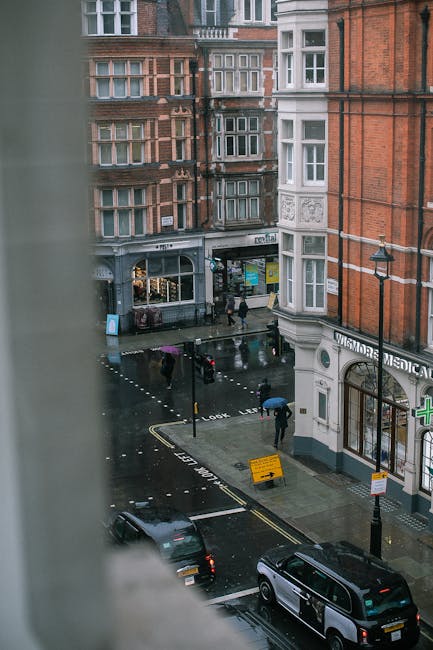
The Portman Estate sits in one of central London's more polished pockets, but elegant streets do not automatically mean easy vehicle access. In practice, the best route for a removals van depends on building position, one-way systems, loading restrictions, traffic patterns, and how close the property is to a sensible stopping point. A route that looks shorter can easily be slower if it funnels you into an awkward turn, a jammed junction, or a spot where the van can't legally wait.
That matters because removals are time-sensitive. Delays on access tend to snowball. If the van has to park too far away, every box is carried longer. If the road is too tight for a larger vehicle, the driver may need to reposition or use a smaller van. If the building is on a quieter side street, you may still need to approach from a busier road and walk the final stretch. A few extra minutes on paper can become a very real strain on the day.
There is also the human side. You may have a lift booking, a neighbour expecting access to the shared entrance, or a key handover window that will not stretch forever. In those situations, route planning is not a nice extra. It is the backbone of a smooth move.
For people researching the area more broadly, these local guides can help build context too: what living in Marylebone is really like, the quieter side of Marylebone, and home selling tips for Marylebone. They are useful because a move is rarely just a move. It sits inside a broader life change.
How Portman Estate Removals: Best Van Access Routes Works
At ground level, access planning is about choosing the route that gives your van the highest chance of arriving on time, stopping safely, and leaving without trouble. That sounds obvious, but the tricky bit is balancing the fastest navigation route with the most realistic street access.
In central London, the "best" route is often the one that avoids unnecessary width restrictions, awkward turns, or roads where stopping is limited. Drivers often think in layers:
- Main approach road: the road that gets the van close to the estate without creating access problems.
- Final approach street: the last leg into the property, which is usually the most important part.
- Loading position: the exact side of the road, bay, or safe stopping point used for loading or unloading.
- Exit route: how the van will leave after the move, which matters more than people expect.
Truth be told, the return journey can be just as important as the arrival. A great arrival route that traps the van in a busy one-way loop is not a great route at all.
For many Portman Estate moves, a smaller vehicle or a flexible removal van option can make life easier, especially where streets are narrow or the final parking position is limited. In some cases, a man with a van in Marylebone works well for lighter loads or shorter distances. Larger domestic moves, however, may benefit from a fuller house removals service or even a specialist flat removals service.
Key Benefits and Practical Advantages
Good access planning produces very practical benefits, and you feel them immediately on moving day.
1. Faster loading and unloading. If the van can stop close to the entrance, the team spends less time shuttling items back and forth. That matters whether you are moving a stack of boxes or a bulky sofa that seems to catch on every doorway it sees.
2. Lower risk of damage. Fewer carrying metres means fewer chances for knocks, grazes, and dropped corners. This is especially important for fragile furniture or awkward items. If you have specialist items, pages like furniture removals in Marylebone and piano removals show how tailored handling helps.
3. Less stress for you and the building. A smooth access plan reduces pressure on concierges, neighbours, and anyone sharing the entrance. Nobody wants a trolley queue in the lobby at 8:15 on a weekday morning.
4. Better timing for lifts and building rules. Many Portman Estate properties have practical time windows, and the closer the van can park to the entrance, the easier it is to stay within those windows.
5. More accurate quotes. Access details affect labour time, vehicle choice, and the move plan. If you want clearer pricing from the outset, it helps to review pricing and quotes early.
Expert summary: In this part of London, the "best" van route is rarely the shortest route. It is the route that avoids bottlenecks, allows lawful stopping, and keeps the move close to the building entrance for as long as possible.
Who This Is For and When It Makes Sense
This topic matters to anyone moving into or out of the Portman Estate, but some people benefit more than others.
- Flat movers: Residents in upper-floor apartments, especially if the lift is small or shared.
- Families moving house: More boxes, more furniture, and usually less patience for parking drama. Fair enough.
- Students and young professionals: Often moving with fewer items, but still needing quick access and affordable vehicle choice. See student removals for lighter, simpler moves.
- Office or studio relocations: Where timing and discretion matter, and loading must be efficient. A useful starting point is office removals.
- People using storage: If the move is split over two days, van access becomes a logistics question, not just a transport question. That is where storage in Marylebone can be part of the plan.
It also makes sense if your building has a tight access pattern, if you are moving on a weekend with heavier traffic, or if you have items that cannot be hauled a long distance from the van. In other words, if your move includes any "awkward bit," this guide is for you.
Step-by-Step Guidance
Here is a practical way to plan van access around the Portman Estate without overcomplicating it.
1. Start with the property, not the sat nav
Before choosing a route, understand the property itself. Is there a front entrance only? Is the rear access restricted? Does the building allow stopping outside for a short window? A quick call to the concierge or managing agent can save a lot of guesswork.
2. Identify the safest loading side
Sometimes the best route is not about the road that looks closest, but the side of the street that leaves the van with room to open doors safely. If a van has to unload into traffic, that is a problem. No one wants that.
3. Check for one-way streets and turn restrictions
Central London route planning often comes down to avoiding the wrong turn. A van may only need a few extra minutes to complete a loop, but those minutes matter if you are coordinating keys, movers, or lift access.
4. Match vehicle size to the route
A larger van can reduce trips, but it may also be harder to position near the building. Sometimes a medium van with a sensible access route beats a bigger vehicle every time. If your move is straightforward, removal services in Marylebone can be tailored to that balance.
5. Plan the first 15 minutes of parking
People tend to plan the whole move and then forget the first parking decision. Yet that first stop often determines the rhythm of the day. Where will the van wait? Who will meet it? What happens if the space is occupied?
6. Keep the exit route open
The van should be able to leave without a messy reverse or a long hold-up. This sounds small, but after a move, nobody wants a stressed driver backing into tight central-London traffic while someone else is still looking for the kettle.
7. Build in a buffer
Leave enough time for loading, a little waiting, and the unexpected. A lift delay, a delivery truck, or a road closure can happen. It's London. Things happen.
Expert Tips for Better Results
After enough local moves, you start to notice the same patterns. Here are the habits that consistently help.
Use a smaller van where access is tight. In central streets, a slightly smaller vehicle can save time overall because it parks more cleanly and leaves more room for safe unloading.
Visit the property at the same time of day as the move, if you can. Morning access can feel very different from late afternoon access. A road that is calm at 9 a.m. might be awkward by 4 p.m.
Label anything you may need first. Keep keys, kettle items, chargers, and documents close. If the van parks a little farther away than hoped, you will still have what you need immediately.
Work with a team that understands local conditions. A local operator is more likely to know where access is easier, where loading tends to be awkward, and which streets require a more cautious approach. If you are comparing providers, take a look at removal companies in Marylebone and about us to get a feel for how they operate.
Tell people about awkward items early. A piano, large mirror, or antique sideboard changes the move plan. That is normal. The earlier it is flagged, the better the route and loading plan can be.
One more thing: if you're unsure, ask. It sounds basic, but it saves so much grief. A quick clarification call beats a chaotic arrival every time.
Common Mistakes to Avoid
Most access problems are preventable. The trouble is, they are also very easy to repeat if you are in a rush.
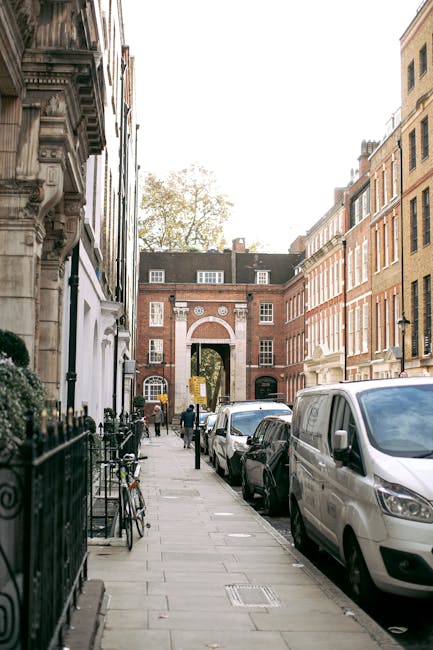
- Choosing the route purely by distance. Shortest is not always easiest, especially around one-way streets and narrow turns.
- Ignoring local parking controls. A "quick stop" can become a ticket risk or a relocation problem if it is not planned properly.
- Assuming the van can wait anywhere. That assumption causes more stress than almost anything else.
- Forgetting building access times. If the lift is booked for a certain slot, the van arrival has to fit that window.
- Not measuring bulky items. If the sofa barely fits through the door, route planning probably isn't your only issue, but it still matters.
- Leaving packing to the last minute. The best route in the world won't help if you are still taping boxes while the van idles outside.
A small human habit causes bigger problems than people expect: the "we'll sort it when we get there" approach. It sounds relaxed. It rarely is.
Tools, Resources and Recommendations
You do not need fancy software to plan a good access route, but a few practical tools help.
- Map and street view tools: Useful for checking where a van might stop, where corners look tight, and how close the entrance is to the road.
- Photo sharing: A few quick pictures of the entrance, road, and any loading area can make planning much easier.
- Property access notes: Write down lift size, entry codes, concierge details, and any restricted hours.
- Packing support: If you need boxes, tape, or protective wrap, packing and boxes in Marylebone is a sensible place to start.
- Specialist handling support: For difficult items or fragile pieces, a service like furniture removals or piano removals can reduce risk a great deal.
If the move is part of a broader life change, surrounding reading can help too. For example, property investment insights for Marylebone and Marylebone's best celebration spots both give a little extra sense of the area and how people actually use it. Not essential, but handy.
Law, Compliance, Standards, or Best Practice
For removal work in central London, the main compliance concerns are usually parking, road use, safety, and property access rules rather than anything overly dramatic. Still, they matter.
Parking and stopping rules: A van should never be left where it creates danger or causes avoidable disruption. Local parking restrictions, yellow lines, loading bays, and permit conditions must be respected. If you are unsure, plan conservatively.
Manual handling and safety: Lifting heavy items is not something to wing on the day. Good removal practice means using the right equipment, team size, and lifting technique. If you want to see how a provider frames that side of the job, review their health and safety policy and insurance and safety guidance.
Building rules: Many blocks have booking slots, lift protection expectations, or requirements around protecting communal areas. These are best treated as normal operating rules, not annoyances. They protect everyone.
Transparent terms: A good provider should be clear about service scope, timings, and responsibilities. For that, terms and conditions and payment and security pages are worth checking before you commit.
If something goes wrong, you also want to know how it will be handled. That is why support pages such as the complaints procedure and privacy policy can be reassuring. Boring? Maybe. Useful? Absolutely.
Options, Methods, or Comparison Table
Not every Portman Estate move needs the same vehicle or approach. Here is a simple comparison to help you think through the best option.
| Option | Best For | Access Strength | Watch-Out |
|---|---|---|---|
| Small van / man and van | Light moves, single rooms, flexible jobs | Excellent on tighter streets | May need more trips for larger loads |
| Standard removal van | Typical flat or house moves | Balanced for speed and capacity | Needs careful parking planning in narrow roads |
| Full house removal service | Larger properties and complex moves | Best when access can support a larger team | May require more detailed pre-move coordination |
| Split move with storage | Staged relocations or delayed access | Flexible, especially if timings are awkward | Extra handling and coordination needed |
To be fair, the "best" option often comes down to the building more than the belongings. A big flat with awkward access may be easier with a smaller van and a well-organised team than with a larger vehicle trying to force the issue.
Case Study or Real-World Example
Imagine a two-bedroom flat near the Portman Estate with a shared entrance, a lift booking at 10:00, and a handful of bulky items: a bed frame, a sofa, several crates, and a side table that has seen better days. The original instinct is to send a larger van and get everything in one go.
But the route check shows the nearest road is busy with limited stopping flexibility. There is also a one-way section that would make reversing out awkward if the van arrives too late. The better plan is to approach from the calmer side street, use a van size that can position neatly, and arrive ten minutes early to secure the loading point before the lift booking starts.
The result? Fewer long carries, a calmer entrance, and a move that finishes on schedule. Nothing dramatic. Which is exactly the point.
That kind of planning is also why local moves often feel smoother when the team knows the area well. If you are in the early research stage, the broader Marylebone removals page and man and van services can be useful comparison points if you are weighing up different styles of help.
Practical Checklist
Use this before moving day. A simple checklist can prevent the little slip-ups that become big annoyances.
- Confirm the property address and exact entrance.
- Check whether the van can stop nearby without blocking access.
- Ask about one-way streets, loading bays, or timed restrictions.
- Measure larger furniture and note any awkward turns or stairs.
- Confirm lift booking times and building access codes.
- Share photos of the street and entrance with the removals team.
- Decide whether a smaller van or standard removal van is more suitable.
- Pack essential items separately so they are easy to reach.
- Keep mobile contact details available for the driver and property contact.
- Allow time for traffic, waiting, and the occasional London hiccup.
And if you are moving at short notice, a service like same-day removals in Marylebone may be worth asking about. Not every situation needs it, but sometimes life does not give you a neat timetable.
Conclusion
Portman Estate removals are easiest when access is planned as carefully as packing. The best van route is the one that respects the street layout, suits the size of the vehicle, keeps the move close to the entrance, and avoids unnecessary delays. Once you get those basics right, the whole day feels lighter.
That is really the heart of it: the right route reduces carrying, protects your belongings, and gives you a bit more breathing room. Not glamorous, perhaps, but very effective. And on moving day, effective is what you want.
If you are ready to plan a move that feels properly organised from the start, take a moment to review the available support, compare service options, and speak with a local team that understands central London access. A calm move is still possible. You just need the route to work with you, not against you.
Get a free quote today and see how much you can save.
If you'd like to speak to someone directly, start with the contact page and share your address, moving date, and any access notes. That first conversation usually clears up far more than people expect.


 CALL US NOW


