Bulky Waste Removal from Marylebone Flats: Costs & Steps
Posted on 26/06/2026
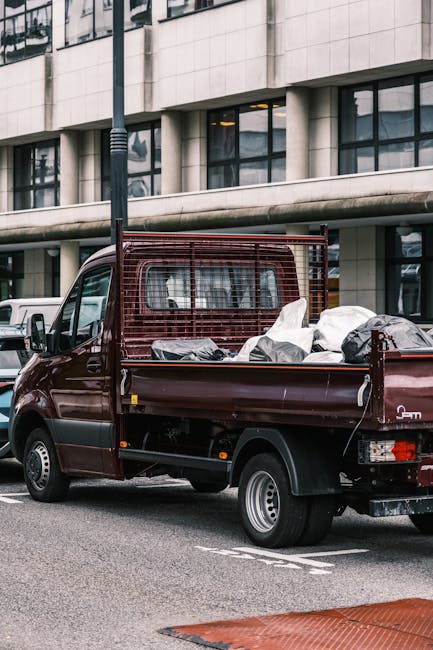
Bulky Waste Removal from Marylebone Flats: Costs & Steps
If you live in a Marylebone flat, bulky waste has a habit of becoming a much bigger problem than it first looks. A broken wardrobe blocks the hallway. An old mattress won't fit in the lift. The sofa has made it as far as the front door, then reality kicks in. Now what?
This guide to Bulky Waste Removal from Marylebone Flats: Costs & Steps explains exactly how the process usually works, what affects the price, and the practical steps that make everything easier in a tight London building. You'll also find a checklist, a comparison of common methods, and a few local tips that can save time, stress, and a fair bit of faffing about.
Why Bulky Waste Removal from Marylebone Flats: Costs & Steps Matters
Marylebone is full of elegant period conversions, mansion blocks, and compact modern apartments. Lovely to live in, but not always generous with storage or access. A bulky item like a bed base, chest of drawers, or freezer can become awkward very quickly, especially if you're dealing with narrow staircases, shared entrances, or limited parking outside.
That's why a clear bulky waste plan matters. It helps you avoid damaged walls, neighbour complaints, missed collection days, and the classic last-minute panic where you're trying to fit an armchair into a lift that plainly disagrees with your life choices. In our experience, the real issue is rarely the item itself. It's the access.
In flats, bulky waste removal is also about timing and coordination. A building manager may need notice. A concierge may need the item logged. Parking may need to be considered before a van even arrives. If you also have other moving tasks going on, it can be worth looking at broader removal services in Marylebone so the waste collection fits neatly into the rest of the job.
And if the bulky waste is part of a move, refresh, or tenancy change, it often overlaps with flat moves. That's when local knowledge starts to matter a lot, which is why many residents also review flat removals in Marylebone as a practical next step.
How Bulky Waste Removal from Marylebone Flats: Costs & Steps Works
At a basic level, bulky waste removal means taking large household items away from your flat and loading them into a vehicle for lawful disposal, reuse, or recycling where possible. The process sounds simple. In practice, there are a few moving parts.
First, the item or items are identified. Then access is checked: stairs, lift size, corridor width, parking restrictions, and any need to protect communal areas. Next comes scheduling. For some people it's a same-day tidy-up. For others it's part of a planned clearance before the end of a tenancy or a refurb. If you're in a hurry, it may be sensible to see whether same-day removals in Marylebone could help with your timeline.
Then there is the pricing stage. Costs are usually based on a mix of volume, weight, number of items, labour needed, and how difficult the access is. A ground-floor pickup is one thing. A third-floor flat with no lift and a narrow stairwell is another entirely. Truth be told, a few extra steps and one awkward corner can change the whole job.
On the day, the team usually confirms the items, protects any surrounding surfaces if needed, moves the waste safely, loads it, and removes it from site. Good operators will separate recyclable or reusable material where appropriate, and they should explain what happens next. If sustainability matters to you, it is worth checking a provider's approach to recycling and sustainability rather than assuming everything goes to the same place.
Key Benefits and Practical Advantages
Getting bulky waste out of a Marylebone flat does more than clear space. It changes how the home feels and functions straight away. You notice it the minute the hallway opens up again.
- More usable space: Old furniture and broken items stop stealing room from the flat.
- Less stress: No need to wrestle an oversized item down stairs on your own.
- Reduced risk of damage: Proper lifting and loading helps protect walls, bannisters, and floors.
- Cleaner handover: Handy for landlords, tenants, and anyone preparing a property for sale or let.
- Better environmental handling: Reuse and recycling are easier to organise when the collection is planned properly.
There's also a practical financial benefit. A rushed do-it-yourself attempt can lead to parking fines, missed lift bookings, or accidental damage. That's the sort of hidden cost people forget. The quote may look cheaper at first, then the day turns messy. And nobody wants that kind of Tuesday.
For landlords and sellers, a prompt clearance can also support the presentation of a property. If you're interested in how tidy interiors and well-prepared homes fit into the local market, a related read on Marylebone real estate buying gives useful context. It's not about waste as such, but it does show how presentation affects value and perception.
Who This Is For and When It Makes Sense
Bulky waste removal in Marylebone is useful for a surprisingly wide group of people. It's not only for people moving house. Quite often it's for ordinary residents dealing with one annoying item that has outstayed its welcome.
- Tenants clearing furniture before a check-out inspection
- Landlords replacing old items after a tenancy ends
- Homeowners making room for new furniture or appliances
- Students moving out of compact flats and needing quick clearance
- Older residents who want a safe, simple way to remove heavy items
- Busy professionals who don't have time for council-schedule juggling
It also makes sense when the item is too large for standard waste bins, too awkward for a normal car, or just too cumbersome to move safely without help. A sofa is the obvious example, but mattresses, wardrobes, exercise machines, white goods, filing cabinets, and large tables all fall into the same category.
If the bulky waste is part of a larger move or clear-out, some people prefer to combine it with broader support from man and van Marylebone services. That can be a cleaner, simpler way to deal with multiple items in one go.
Step-by-Step Guidance
Here's the process in plain English. Not glamorous, but useful.
- List the items clearly. Write down exactly what needs removing. Photos help too, especially for larger pieces.
- Check access in advance. Note the floor level, lift size, stair width, and whether parking is tricky. In Marylebone, parking is often the bit that bites.
- Separate anything reusable. If something can be donated or reused, decide this before collection day.
- Measure the awkward pieces. A wardrobe might look manageable until you meet a narrow turn on the stairwell.
- Ask for a quote based on the real job. The more precise your description, the fewer surprises later.
- Confirm any building rules. Some blocks require advance notice, lift padding, or specific collection windows.
- Prepare the route. Clear hallways, remove trip hazards, and protect fragile surfaces if needed.
- Have payment and instructions ready. It sounds obvious, but little delays often happen here.
- Supervise the handover if needed. Especially if items are being collected from inside the flat or basement store.
- Check the final space. Make sure nothing has been left behind and communal areas are tidy.
A small tip from experience: if the item is borderline too large for the lift, don't guess. Measure it. Guessing is how a ten-minute job becomes an awkward half-hour with a lot of deep breaths.
Expert Tips for Better Results
There are a few things that make bulky waste removal smoother in Marylebone, and most of them are simple. The best results tend to come from good planning rather than brute force.
- Book with access in mind: Don't just say "one sofa." Mention stairs, lift access, and parking constraints.
- Bundle items where it makes sense: One collection of several items is often more efficient than separate visits.
- Be honest about weight and condition: A waterlogged mattress or heavy solid-wood wardrobe is not a "light job".
- Use photos for awkward items: It helps the team judge labour and vehicle size accurately.
- Plan around neighbours: Early mornings and shared hallways can be sensitive in apartment buildings.
- Ask about recycling routes: If you care where things go next, raise that before the collection day.
Local knowledge matters too. In older Marylebone buildings, sharp stair turns and tight entrance halls are more common than people expect. If the waste is part of a wider flat refresh, it may also help to look at packing and boxes in Marylebone so the rest of the flat can be sorted at the same time. Bit of a tidy-up domino effect, really.
And if you are timing the clearance around a move, local area know-how can help with access, timing and parking. That's one reason residents often find W1U and W1G parking tips unexpectedly useful.

Common Mistakes to Avoid
The biggest mistakes are usually avoidable. They happen when people underestimate access or leave things too late.
- Not measuring the item: A waste collection team can't safely remove what can't physically pass through the route.
- Ignoring building rules: Some flats need notice, booking slots, or lift protection.
- Forgetting parking: In central and inner London areas, parking is never just "somewhere outside".
- Mixing items together without sorting: This can slow the job down if something needs special handling.
- Leaving the booking too late: Particularly around tenancy endings or weekends.
- Assuming every quote includes the same scope: Always check what labour, loading, disposal, and access are included.
One more thing: don't put bulky waste in the communal hallway "just for a minute". That minute tends to become half a day, and then it becomes everyone's problem. Nobody enjoys that email from the building manager.
Tools, Resources and Recommendations
You do not need a mountain of equipment to organise bulky waste removal, but a few basic tools help a lot. A tape measure, gloves, and strong bin bags for loose small items can make the process much easier. If you are doing any preparatory sorting, a trolley or sack truck can help, though only if the route is safe and manageable.
For booking and planning, use clear notes and photos. It sounds basic, but good information is half the battle. If you are comparing service types, the company's services overview can help you see where bulky waste fits alongside moving, loading, and clearance support.
If your flat clearance is part of a larger life admin moment, it may also be worth reading up on the local area itself. There's a surprising amount to be said for understanding the rhythm of Marylebone before booking work around it. A thoughtful guide to the neighbourhood can be found in this Marylebone suburb guide, and residents often add practical insights in Marylebone resident reviews and tips.
Law, Compliance, Standards, or Best Practice
For bulky waste in London flats, the main point is simple: waste should be handled responsibly, safely, and by someone authorised to take it away. If you are using a removal provider, it is sensible to check that they work with proper care, insurance, and a tidy process for loading and disposal. That may sound obvious, but it really matters.
Best practice also means avoiding fly-tipping risks, not leaving items in shared areas, and making sure no one is put in danger while moving heavy pieces through a building. If waste includes anything unusual, damaged, or potentially hazardous, it should be identified early rather than mixed in with standard household items.
For residents and landlords alike, transparency is useful. Ask who is doing the lifting, how access will be managed, what happens to recyclable material, and how disputes or complaints are handled if something goes wrong. A reputable business should be able to explain this plainly. If you want to understand how a company frames its responsibilities, their health and safety policy, insurance and safety information, and terms and conditions are worth reviewing.
For business transparency more broadly, pages like the company's about us section and payment and security information also help build trust before you book. Small detail, big reassurance.
Options, Methods, or Comparison Table
There is more than one way to deal with bulky waste from a Marylebone flat. The right method depends on time, access, item size, and how much effort you want to take on yourself.
| Method | Best for | Typical pros | Possible drawbacks |
|---|---|---|---|
| DIY disposal | Small number of manageable items | Can seem cheaper upfront; full control over timing | Heavy lifting, parking hassle, transport issues, higher risk of damage |
| Planned waste collection | Single or multiple bulky items with flexible timing | Organised, predictable, less physical effort | Needs booking and preparation; access still matters |
| Same-day clearance | Urgent end-of-tenancy or last-minute clutter removal | Fast turnaround, useful in emergencies | May cost more depending on timing and labour |
| Combined move-and-clear | People moving flat, replacing furniture, or decluttering in one go | Efficient, fewer bookings, better coordination | Requires accurate planning and a clear list of items |
For larger or mixed jobs, combining waste removal with a van-based service can be surprisingly efficient. That's where removal van Marylebone support can make sense, particularly if the job involves more than one destination or stop.
If you are comparing providers, it also helps to understand the broader market. A good overview of removal companies in Marylebone can help you judge how waste clearance fits into wider moving support.
Case Study or Real-World Example
Here's a very ordinary scenario, which is exactly why it's useful. A couple in a Marylebone flat were replacing a mattress, a wardrobe, and an old coffee table before handing back the keys. Nothing dramatic. Just a compact second-floor flat, a narrow communal stairwell, and one lift that was clearly built for optimism rather than furniture.
They assumed the wardrobe would be easy because it looked "not that big" in the bedroom. It wasn't. Once measured, it was obvious the piece needed careful turning and two-person handling. The team checked access, planned the route, padded the awkward contact points, and removed the items without disturbing the neighbours much at all. A small moment, but a big relief for the residents.
The main lesson? The quote was less about the items themselves and more about access, loading time, and safe handling. The couple had also saved time by grouping everything into one visit instead of trying to solve each item separately. Sensible, really. Not exciting, but sensible always wins here.
That same logic applies when bulky waste is part of a move near busy local streets. If parking and timing are already stressful, reading something like same-day Marylebone booking options or Marylebone high street packing tips can make the day feel much less chaotic.
Practical Checklist
Use this before you book or on the morning of collection.
- List every bulky item clearly.
- Measure the widest point of each item.
- Check stair access, lift size, and doorway width.
- Confirm whether the building needs advance notice.
- Check parking options and any loading restrictions.
- Separate reusable items from true waste.
- Take photos of awkward or heavy pieces.
- Ask what the quote includes.
- Make sure hallways and entrances are clear.
- Protect floors or walls if the route is tight.
- Keep your phone handy for driver or team updates.
- Do a final room-by-room check after removal.
If you are in a rush, keep the list short and practical. If you have more time, sort, label, and group items by room. It makes the handover smoother and honestly, less annoying for everyone involved.
Get a free quote today and see how much you can save.
Conclusion
Bulky waste removal from a Marylebone flat is really about planning well, understanding access, and choosing the right method for the job. Once the quotes, stairs, lift, and parking are all thought through, the process becomes much calmer than people expect.
The best results usually come from honest item descriptions, clear access details, and a realistic view of how long a flat clearance takes. Do that, and the whole thing becomes simpler. Less stress, less disruption, fewer surprises. A rare gift, in London, let's face it.
If the clutter has been nagging at you for weeks, this is one of those jobs that feels instantly better once it's done. The space opens up again. The flat breathes. And you can get on with your day.


 CALL US NOW


