Westminster Council Suspended Bay Rules for W1 Removals
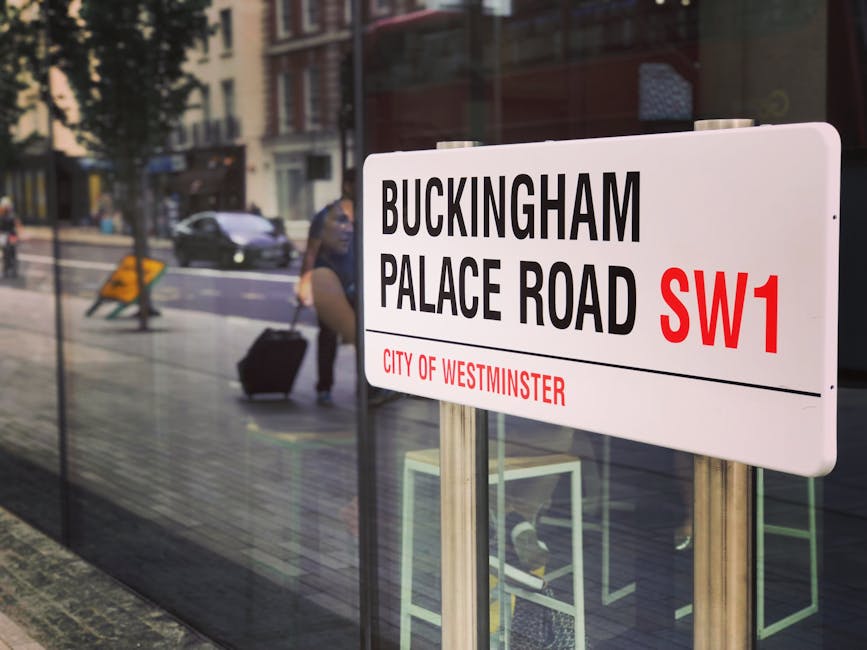
If you are planning a move in Marylebone, a suspended bay can make the difference between a calm, efficient removal and a day of circling the block, muttering at the bonnet. The topic of Westminster Council Suspended Bay Rules for W1 Removals matters because parking in central London is never just parking; it is access, timing, loading safety, neighbour relations, and avoiding avoidable delays all rolled into one.
In plain English, a suspended bay is a parking bay that the council temporarily reserves for a specific purpose. For removals in W1, that usually means giving a vehicle somewhere predictable to stop close to the property. That sounds simple, but there are plenty of moving parts: when the suspension starts, how far the vehicle can be from the entrance, whether the bay is suitable for a van, and what happens if the move overruns. This guide breaks it down clearly and practically, so you can plan properly and avoid the little errors that become expensive on moving day.
Why Westminster Council Suspended Bay Rules for W1 Removals Matters
Parking is the hidden workload in almost every London removal. In W1, it is even more critical because road space is tight, loading areas are busy, and a van that cannot stop near the entrance turns a straightforward move into a long carry. That extra distance can add stress, time, and risk. It also changes how the crew plans each trip from the building to the vehicle.
Suspended bay arrangements matter because they create a controlled loading point. That may seem like a small administrative detail, but in real life it can reduce stair congestion, protect furniture, and make the move feel organised from the first box to the last lamp. If you have ever watched removals stall because a van had to double-park and keep moving every few minutes, you already know the problem. It is not dramatic. Just annoying. And surprisingly costly.
For residents in Marylebone and surrounding W1 streets, the issue often comes down to access. Narrow streets, resident permit areas, busy daytime traffic, and multiple properties sharing the same frontage can make legal stopping space scarce. A properly arranged bay suspension helps your removal crew work within the space available instead of gambling on chance. That is why people planning flat moves, house removals, or office relocations in the West End tend to treat parking permissions as part of the move itself, not as an afterthought.
If you are also comparing moving support, it can help to look at broader service planning through the full range of removal services and the practical differences between man and van support in Marylebone, man with van services, and larger house removals when access is tight.
How Westminster Council Suspended Bay Rules for W1 Removals Works
A suspended bay is usually a bay the council has temporarily reserved so that normal parking there is restricted or removed for a defined period. For removals, this can provide a loading space close to the property. The broad idea is simple; the practical execution is where people need to pay attention.
In most cases, you will need to think about three things:
- Location: the bay must be near enough to help the move, but also suitable for the van size and the street layout.
- Timing: the suspension has to cover the actual removal window, including realistic loading time, not just the "best case" version of the day.
- Usage: the bay is only useful if the vehicle can safely use it without blocking traffic, entrance routes, or emergency access.
In practice, a removal team will usually plan the day around where the van can stand, how long the carry will be, and whether there are stair or lift constraints. A ground-floor flat on a side street may need very different planning from a top-floor apartment near Baker Street. That is exactly why local knowledge counts.
W1 streets can be deceptively tricky. A road might look manageable on a map, yet still create problems once you factor in delivery traffic, building entrances, junction visibility, and the fact that someone has parked half in and half out of the bay just before your slot starts. Rude of them, frankly, but also entirely predictable.
For moves that involve awkward building access or fast turnarounds, it may also be worth understanding how timing and vehicle placement affect the operation. Our local guides on parking tactics in W1U and W1G and van access routes around the Portman Estate show why route planning is often as important as the van itself.
Key Benefits and Practical Advantages
The biggest advantage of using suspended bay rules properly is simple: the move becomes more controlled. That does not just mean convenience. It means fewer delays, better handling of possessions, and a calmer team on the day.
Here are the practical wins people usually notice:
- Shorter carrying distance: fewer steps from the front door to the van, which matters a lot for heavy furniture and fragile items.
- Less congestion: the crew is not juggling boxes while also hunting for legal stopping space.
- Better safety: clear loading space reduces the temptation to rush or improvise.
- Smoother scheduling: the day is easier to sequence when the van has a known position.
- Improved property protection: fewer long carries through shared hallways, tight corners, and communal entrances.
There is also a quieter benefit that people forget: morale. A move with clear parking and access feels more professional. The crew can work methodically rather than reactively. You notice the difference in little ways - fewer pauses, less shuffling back and forth, less "we'll just see what happens." That last phrase is not reassuring, if we are honest.
For renters and owners dealing with flats, the benefits are often even more pronounced. If you are moving from a top-floor property or a building with a narrow entrance, consider how suspended bay access combines with packing and handling support. Useful related pages include flat removals in Marylebone and packing and boxes support.
Who This Is For and When It Makes Sense
This is not just for big house moves. Suspended bay planning can help a wide range of W1 removals.
- Flat moves: especially where the building is on a busy street or has limited frontage.
- House moves: useful when you need the van near the door and there is no private driveway.
- Office removals: sensible when loading desks, archive boxes, or IT equipment on a tight schedule.
- Student moves: helpful for quick turnarounds, shared houses, and end-of-tenancy packing.
- Specialist items: pianos, antiques, and bulky furniture are easier to move when the loading point is close.
It makes the most sense when the street is busy, the property sits within a controlled parking zone, or the carry distance would otherwise be awkward. If you are moving on a weekday morning, around a school run, or near an event-heavy area, the value of clear loading space goes up quickly. And yes, it is one of those things that feels excessive until the moment you need it.
People often ask whether it is worth doing for a smaller move. Sometimes yes, sometimes no. If you are only moving a few boxes and one chair, probably not. But if you are moving a full flat, delicate items, or anything requiring multiple trips, it usually pays off.
For a broader look at local property and move planning in the area, you might find these useful: Marylebone buying essentials, Marylebone property investment insights, and resident reviews and local tips.
Step-by-Step Guidance
If you want the process to feel manageable, break it into stages. That is the best way to keep your head clear. Here is a sensible approach for W1 removals that may need a suspended bay.
- Check your move date and access needs. Confirm whether the property has any loading restrictions, stair constraints, or building-specific move rules.
- Assess the street layout. Look at the entrance, turning space, nearby loading options, and whether a van can stop safely without creating a bottleneck.
- Choose the right vehicle size. A larger van may reduce trips, but it still has to fit the bay and the street. Bigger is not always better.
- Allow time for the actual move. Build in time for stairs, lifts, protected wrapping, and the inevitable last-minute item that suddenly appears under the bed.
- Prepare a clear loading plan. Decide what goes first, what stays in the building until last, and how fragile items will be handled.
- Coordinate with the removal team. Make sure everyone understands the bay location, arrival window, and any access restrictions.
- Keep documents and contact details ready. If there is a problem on the day, you want quick answers, not a rummage through five different inboxes.
A small practical note: if your move is time-sensitive, build the plan backwards from the van arrival. It is easier to work from the loading point to the front door than to build a pile of packed boxes and hope the parking sorts itself out. Hope is not a parking strategy.
For same-day or late changes, a local team that understands the pace of central London can be especially helpful. See same-day removals in Marylebone and man with a van support in Marylebone if your schedule is already looking tight.
Expert Tips for Better Results
To be fair, the difference between a smooth bay suspension move and a messy one is often down to tiny details. Here are the things that experienced movers keep an eye on.
- Choose the slot with real buffer time. Even small delays can cascade if the bay window is too tight.
- Keep heavy items closest to the entrance plan. Wardrobes, sofas, and bookcases should not be the last thing you remember.
- Protect the route inside the property. Hallways and stairs need the same care as the van space.
- Use proper wrapping for awkward items. Corners, glass, polished wood, and antique finishes do not forgive a careless scrape.
- Plan for weather. A wet London morning changes everything - floors, grip, speed, and patience.
- Have one person responsible for decisions. Too many voices on moving day causes confusion. Usually in five minutes or less.
Another useful habit is to photograph the bay, access point, and any relevant signage before the move starts. Not because you expect conflict, but because a clear record helps if another vehicle turns up or a neighbour questions the setup. It is a simple thing and, honestly, it saves explanations later.
If you are handling valuable or delicate pieces, specialised support matters. For example, our pages on furniture removals, piano removals, and moving antiques in Marylebone show why careful planning is more than just a nice idea.
Common Mistakes to Avoid
The most common mistakes are not glamorous. They are the ordinary ones - the things people assume will work out and then, naturally, do not.
- Booking the van before checking access. If the vehicle cannot stop where needed, everything else becomes harder.
- Underestimating loading time. Tight schedules and moving day rarely behave themselves.
- Assuming a bay is available without confirmation. Bay suspensions are not something to "sort on the day."
- Ignoring building rules. Many properties have move windows, lift protections, or concierge instructions.
- Overpacking boxes. Heavy boxes slow everything down and increase the chance of damage.
- Forgetting waste or packaging disposal. Cardboard, wrapping, and bulky items need a plan too.
One small but frequent issue is timing a van arrival for the exact start of the suspension and forgetting that traffic in central London does not read your spreadsheet. Arrive too early and you may have nowhere legal to wait. Arrive too late and the slot is half gone. That is where local route knowledge really earns its keep.
If your move involves waste or old furniture, it can help to prepare in advance using resources such as bulky waste removal advice for Marylebone flats and recycling and sustainability guidance.
Tools, Resources and Recommendations
You do not need a truckload of tech to manage a W1 move well, but a few tools and preparations make life easier.
- Measuring tape: useful for doors, stair turns, lift dimensions, and furniture clearance.
- Labelled boxes: speeds unloading and helps place items in the correct room.
- Protective blankets and wrap: essential for furniture edges and polished surfaces.
- Simple floor plan: even a rough sketch helps the crew place items efficiently.
- Phone photos: useful for access points, existing damage, and tricky corners.
- Move-day contact list: one document with key numbers avoids frantic searching.
For a more rounded view of move preparation and service choice, the most relevant pages are usually removal services in Marylebone, removal van options, comparison of removal companies, and pricing and quotes when you are weighing up what level of support you actually need.
And if you are moving out of a compact flat, do not underestimate storage. Sometimes the cleanest move is the one that happens in two stages. A short pause can make everything less frantic. Storage in Marylebone can be part of a practical, less stressful plan.
Law, Compliance, Standards, or Best Practice
Parking suspensions and loading permissions sit within local authority rules, and those rules can change depending on the street, time, and current traffic management needs. Because of that, the safest approach is to treat every suspension as a formal arrangement that needs confirming, not as a casual convenience.
From a best-practice point of view, there are a few principles that matter:
- Do not block pedestrian access. People still need a safe path around the property.
- Keep emergency access clear. Never assume a narrow gap is acceptable just because a van can squeeze in.
- Use the bay only within the permitted times. Overrunning creates conflict and potential penalties.
- Follow building rules and neighbour notices. Courtesy helps more than people admit.
- Use insured and competent movers for heavy or valuable items. The right handling standard matters.
Insurance, safety, and proper handling are part of the same conversation. If you are booking help, it is wise to check how the crew manages risk and item protection. Related pages on insurance and safety, health and safety policy, and terms and conditions are useful for understanding how a professional removal company frames responsibility and service standards.
For anyone handling personal data, tenancy paperwork, or payment details during the move, it is also sensible to review privacy and payment and security information before booking. Nothing flashy. Just sensible due diligence.
Options, Methods, or Comparison Table
There is more than one way to manage parking for a W1 removal. The best option depends on access, budget, item volume, and how much risk you are willing to carry.
| Method | Best for | Pros | Limitations |
|---|---|---|---|
| Suspended bay | Moves needing close loading access | Predictable stopping point, shorter carry, better control | Must be arranged in advance and used within the permitted window |
| Short stay nearby | Lighter moves with flexible timing | Simple if space is available | Less reliable in busy W1 streets; carries may be longer |
| Double parking for loading | Only in very controlled situations | Fast in theory | Often risky, disruptive, and not ideal for a planned removal |
| Staged move with storage | Large or complicated moves | Reduces same-day pressure and can simplify access | Needs extra coordination and usually more than one trip |
If the move is sensitive, the suspended bay is usually the cleanest option. If the move is small and timings are loose, a nearby legal stop may be enough. The mistake is choosing the method before you know what the street can actually support.
Case Study or Real-World Example
Here is a realistic example from the kind of move people often face in Marylebone, without dressing it up. A tenant in a W1 flat needed to move out of a second-floor apartment with a narrow stairwell, a bulky sofa, and several boxes of books. The street was busy, and the front of the building had limited free space. A suspended bay was arranged so the van could stop close enough for the crew to load efficiently.
What changed the day was not just the parking permission. It was the sequence. Heavy items were loaded first, fragile items were wrapped and grouped, and the team worked from the top floor down to avoid unnecessary backtracking. Because the bay was close, the sofa did not need a long carry through the pavement traffic. The move still took effort - of course it did - but it stayed orderly. No frantic reshuffling. No guessing.
The client had also checked local parking advice in advance and used a moving company familiar with the area. That combination made a bigger difference than most people expect. If the same move had been attempted with a random arrival time and no access planning, it would probably have become one of those "well, that was a day" stories.
For moves near key W1 landmarks or dense streets, relevant local reading includes Baker Street removal expectations, Wigmore Street stair and timing tips, and packing tips for Marylebone High Street moves.
Practical Checklist
Use this checklist a day or two before the move. It is plain, but it works.
- Confirm the move date, arrival time, and access window.
- Check whether a suspended bay or alternative loading point is needed.
- Measure large furniture and awkward items.
- Label boxes by room and priority.
- Protect delicate items with suitable wrapping.
- Prepare building instructions, entry codes, or concierge details.
- Keep keys, documents, and essentials together.
- Set aside cleaning supplies and waste bags for the end.
- Make sure the removal team has the correct address and postcode.
- Allow a small time buffer for traffic or access delays.
- Take photos of valuable items before they are moved if appropriate.
- Review insurance and service terms before the move starts.
Expert summary: if you get the parking, access, and loading order right, the rest of the move becomes much easier. That is the quiet truth behind most good removals in W1. It is rarely one big heroic decision. More often it is ten decent little ones made in the right order.
Get a free quote today and see how much you can save.
Conclusion
Westminster Council suspended bay rules can be a real advantage for W1 removals when they are used properly. They help turn a difficult street into a workable loading point, reduce avoidable carrying, and give your removal team the structure they need to work safely and efficiently. For central London moves, that is not a minor detail. It is part of the foundation.
The main lesson is simple: plan the parking as carefully as the packing. Check access, build in realistic timing, and choose support that understands Marylebone's streets and the reality of London move day. Do that, and the process feels a lot less like a scramble. More like a plan. A good one, ideally.
And if the day gets a bit messy anyway, which sometimes it does, that is normal. Keep going. The kettle will go on eventually.
Frequently Asked Questions
What are Westminster Council suspended bay rules for W1 removals?
They are the local parking arrangements that allow a bay to be temporarily reserved or restricted so a removal vehicle can load close to a property in W1. The exact setup depends on the street and the move window.
Do I always need a suspended bay for a W1 removal?
No. Smaller moves or properties with private access may not need one. But in busy central London streets, a suspended bay often makes the move much smoother and more predictable.
How far in advance should I plan for a suspended bay?
As early as you reasonably can. The more complex the move, the more important it is to confirm parking and access before you lock in the removal schedule.
Can a removal van use any suspended bay?
Not automatically. The bay must be suitable for the vehicle size and legal for the intended use. You also need to consider whether the van can stop safely without causing an obstruction.
What happens if the move takes longer than expected?
That depends on the terms of the arrangement and the street conditions. The safest approach is to build in a realistic time buffer so you are not relying on a perfect day, because those are rare enough.
Are suspended bays useful for flat removals?
Yes, especially where the property is on an upper floor or the building has a narrow entrance. They reduce carrying distance and can make loading much more efficient. See also flat removals in Marylebone.
What is the difference between a suspended bay and normal parking?
A normal parking bay is available for standard use according to the street rules. A suspended bay is temporarily restricted for a specific purpose, which means other vehicles may not park there during the suspension period.
Is a suspended bay better than double parking during a move?
In most cases, yes. A suspended bay is more controlled and usually less disruptive. Double parking may seem convenient, but it can create access and safety problems very quickly.
What should I tell my removal company about bay access?
Share the exact address, bay location if known, any building restrictions, and the timing window. If there is a concierge, lift booking, or one-way street issue, mention that too.
Can this help with furniture or specialist item moves?
Absolutely. Heavy, awkward, or delicate items are easier to handle when the vehicle can load close to the door. That is particularly helpful for pianos, antiques, and large furniture.
What if I also need to get rid of packing waste or old furniture?
Plan for that in advance. It is common to need a separate waste or recycling approach after the move. Helpful starting points include bulky waste removal steps and recycling guidance.
Where can I get help if the move is urgent?
If you are short on time, it is sensible to speak with a local team that offers fast-moving support and understands W1 access issues. You can review same-day removal options and get in touch through the contact page.