Health and Safety Policy for Man With Van Marylebone
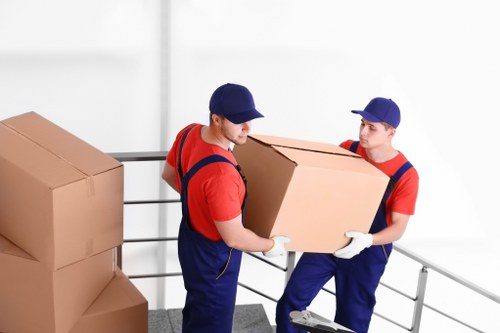 Man with van Marylebone services are carried out with a clear commitment to protecting staff, customers, members of the public, and property at every stage of the job. This policy sets out the standards expected from all personnel involved in loading, transporting, and unloading items. It applies to all moving activities, whether a task is straightforward or requires extra care because of heavy, fragile, or awkward items.
The purpose of this policy is to reduce risk, maintain safe working conditions, and ensure that each Marylebone man with van operation is completed responsibly. Safety is treated as a shared duty. Every team member is expected to follow safe procedures, use equipment correctly, and report hazards without delay.
Our approach is based on prevention, awareness, and consistent control measures. By putting safety first, man and van Marylebone work can be completed efficiently while limiting the chance of injury, damage, or disruption. This policy is reviewed regularly to reflect changes in working practices and to support continuous improvement.
General Safety Principles
All staff must act with care and professionalism at all times. Unsafe behaviour, rushing, or ignoring instructions is not acceptable. Before any work begins, the team assesses the items to be moved, the access route, the loading area, and any obvious risks such as poor lighting, uneven ground, wet surfaces, or restricted space.
Where required, suitable protective equipment should be used. This may include gloves, high-visibility clothing, and supportive footwear. A van moving service in Marylebone must always be delivered in a way that protects physical wellbeing and avoids unnecessary strain.

Manual Handling and Loading
Manual handling is one of the main risk areas in moving work. Staff should lift only within their capability and must use correct techniques, keeping loads close to the body and avoiding twisting movements. Heavy or awkward items should be moved by two people or with the aid of trolleys, straps, blankets, or ramps when appropriate.
Items are to be loaded securely so they do not shift during transit. Safe stacking matters just as much as careful lifting. Fragile goods should be protected, and heavier pieces should be positioned to create balance and stability. A well-organised man with a van in Marylebone operation reduces the likelihood of damage and injury.
Vehicle and Equipment Safety
 All vehicles used for moving tasks must be kept in safe working condition. Checks should include tyres, lights, mirrors, fuel levels, brakes, and basic cleanliness of the load area. Any defect that could affect safe use must be reported and addressed before the vehicle is put into service.
Equipment such as straps, dollies, blankets, and ramps should also be inspected before use. Damaged or unsuitable items must not be used. The aim of a Marylebone man and van service is not only to transport goods, but to do so in a controlled and dependable manner.
Drivers and crew are expected to secure loads properly, drive within legal limits, and take account of weather, traffic, and road conditions. Sudden manoeuvres, overloading, and unsafe parking can create avoidable hazards and must be prevented.
Working at Customer Premises
When working in homes, offices, or other premises, the team must respect the environment and minimise disruption. Floors, stairs, entrances, and shared areas should be kept as clear as possible. If an item requires special handling, the method should be agreed before moving begins.
Care must be taken around children, pets, residents, visitors, and building users. If access is limited, the move may need to be paused until conditions are safer. A responsible Marylebone van and man service always adapts to the space while maintaining control over the task.
Spillages, debris, packaging, and loose materials should be dealt with promptly. Good housekeeping helps prevent slips, trips, and falls, which are among the most common moving-related incidents.
Incident Reporting and Emergency Response
If an accident, near miss, or injury occurs, the immediate priority is to make the area safe and provide assistance where needed. The task should stop if continuing would place anyone at risk. Incidents must be recorded and reviewed so that lessons can be learned and future risk reduced.
 Staff should know how to respond to emergencies, including contacting the appropriate services when necessary and following any site-specific instructions. Clear communication is essential during unexpected events, especially when handling heavy or valuable items.
Repeated hazards must not be ignored. A man with van Marylebone team that identifies and reports problems early is better able to maintain safe, reliable service standards.
Responsibilities and Training
 Every worker is responsible for following this policy and contributing to a safe working environment. Supervisors must ensure that staff are suitably trained, competent, and able to carry out their tasks safely. Training should cover manual handling, vehicle checks, safe loading, hazard awareness, and emergency procedures.
Managers are also responsible for monitoring compliance and making improvements where needed. If work methods change, the safety approach should be updated accordingly. Health and safety is not a separate task; it is part of every stage of the moving process.
By maintaining high standards, the man with van in Marylebone service can remain efficient, professional, and safe. This policy supports a culture of care, responsibility, and respect for everyone involved in the move.